
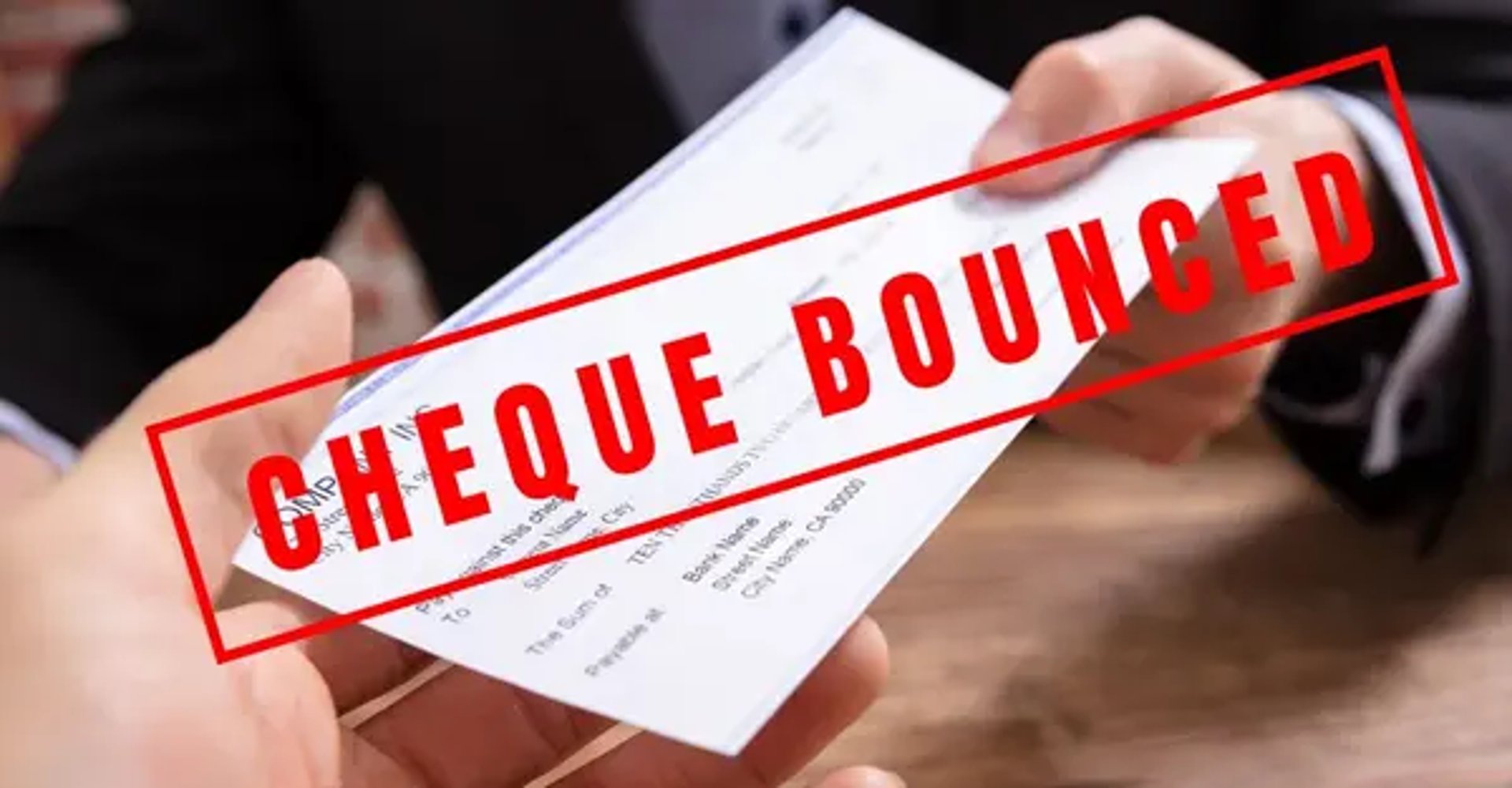
Cheque Bounce Cases
A cheque bounce case arises when a cheque issued by a person or business is returned unpaid by the bank due to insufficient funds, a closed account, or other banking reasons. Cheque dishonour is considered a serious financial offense under Indian law and may lead to legal action against the issuer of the cheque.
In India, cheque bounce matters are primarily governed by Section 138 of the Negotiable Instruments Act, 1881, which provides legal remedies for individuals or businesses when a cheque issued to them is dishonoured. Under this law, the cheque holder must first issue a legal notice to the drawer demanding payment within the prescribed time period. If the payment is not made within the specified time, the aggrieved party may initiate legal proceedings before the competent court.
At Advocate Rekha, we provide legal assistance in cheque bounce matters by advising clients on the proper legal procedure, issuing statutory legal notices, and representing parties in cheque dishonour cases before the appropriate courts. Practicing before the Madras High Court and the Madurai Bench of the Madras High Court, Advocate Rekha assists individuals, businesses, and financial institutions in pursuing legal remedies and protecting their financial interests in cheque bounce disputes.
Know Your Rights
Individuals involved in cheque bounce disputes have certain legal rights under Indian law, including:
Right to Issue Legal Notice
The cheque holder has the right to send a legal notice demanding payment within the time prescribed under the Negotiable Instruments Act, 1881.
Right to File a Criminal Complaint
If payment is not made after receiving the legal notice, the cheque holder may file a complaint under Section 138 of the Negotiable Instruments Act.
Right to Seek Compensation
Courts may order the accused to pay the cheque amount along with compensation or penalties.
Right to Fair Trial
Both parties have the right to present their evidence and arguments before the court during legal proceedings.
Right to Appeal
Parties may challenge the court’s decision before higher courts as permitted under applicable legal provisions.
Right to Legal Representation
Individuals and businesses have the right to seek legal advice and representation in cheque bounce cases.
Understanding these rights helps parties involved in cheque dishonour disputes take appropriate legal action and ensure that financial transactions are protected under Indian law. Advocate Rekha remains committed to providing reliable legal support in cheque bounce and financial dispute matters.
Contact
Reach out for trusted legal advice anytime.
Phone
© 2025. All rights reserved.